Washing House Facades: All You Need to Know
- A well-done facade wash protects your walls against humidity and extends their lifespan
- Recommended maintenance frequency varies 3 to 10 years depending on the type of coating and the environment
- Each material requires a suitable cleaning method to avoid damage
- Misused bleach and high pressure can cause irreversible damage
- A professional has equipment and expertise for a lasting and safe result
Does your facade accumulate black marks, moss or dirt? Facade washing protects the appearance of your house and walls from damage. Whether you live in the city or in the countryside, understanding how and when to clean your facade allows you to keep your property in good condition.
This article simply explains what you need to know to maintain your exterior walls.
What does it really mean to clean a facade
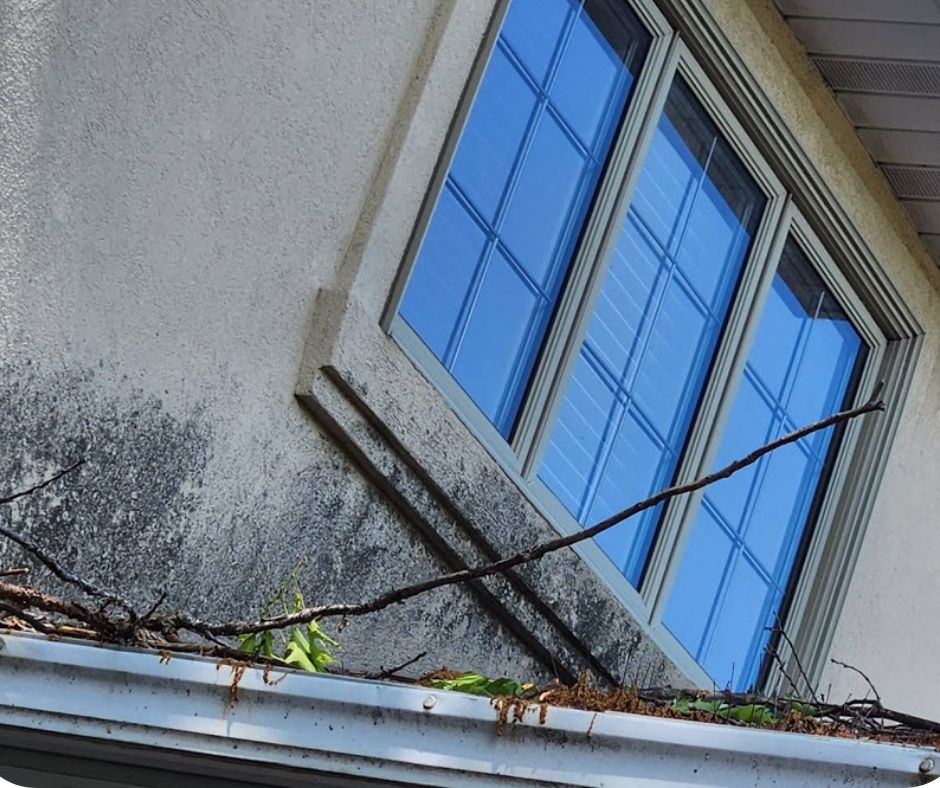
The facade wash removes dirt, pollution, moss and organic traces. These deposits trap moisture and can cause cracks, chipping, or water leaks.
A good cleaning quickly identifies small defects : damaged joints, emerging cracks or areas of infiltration. It is a visual diagnosis that protects your investment.
How often should you clean your facade
The frequency depends on the coating, the environment and the exhibition.
For a facade with plaster, cleaning every three to five years is recommended. Polluted or humid urban area, plan every two years. Les facades facing north develop mosses and lichens more quickly.
Wood or metal cladding requires less maintenance. Rinsing once a year is sufficient. Stone facades can be cleaned every four to six years unless very exposed to humidity.
If you notice green moss, black marks, or moisture stains, clean up even before the usual time. An inspection twice a year keeps you alert.
The different methods of washing facades
Several techniques exist, and the choice of the best method depends on material and type of soiling.
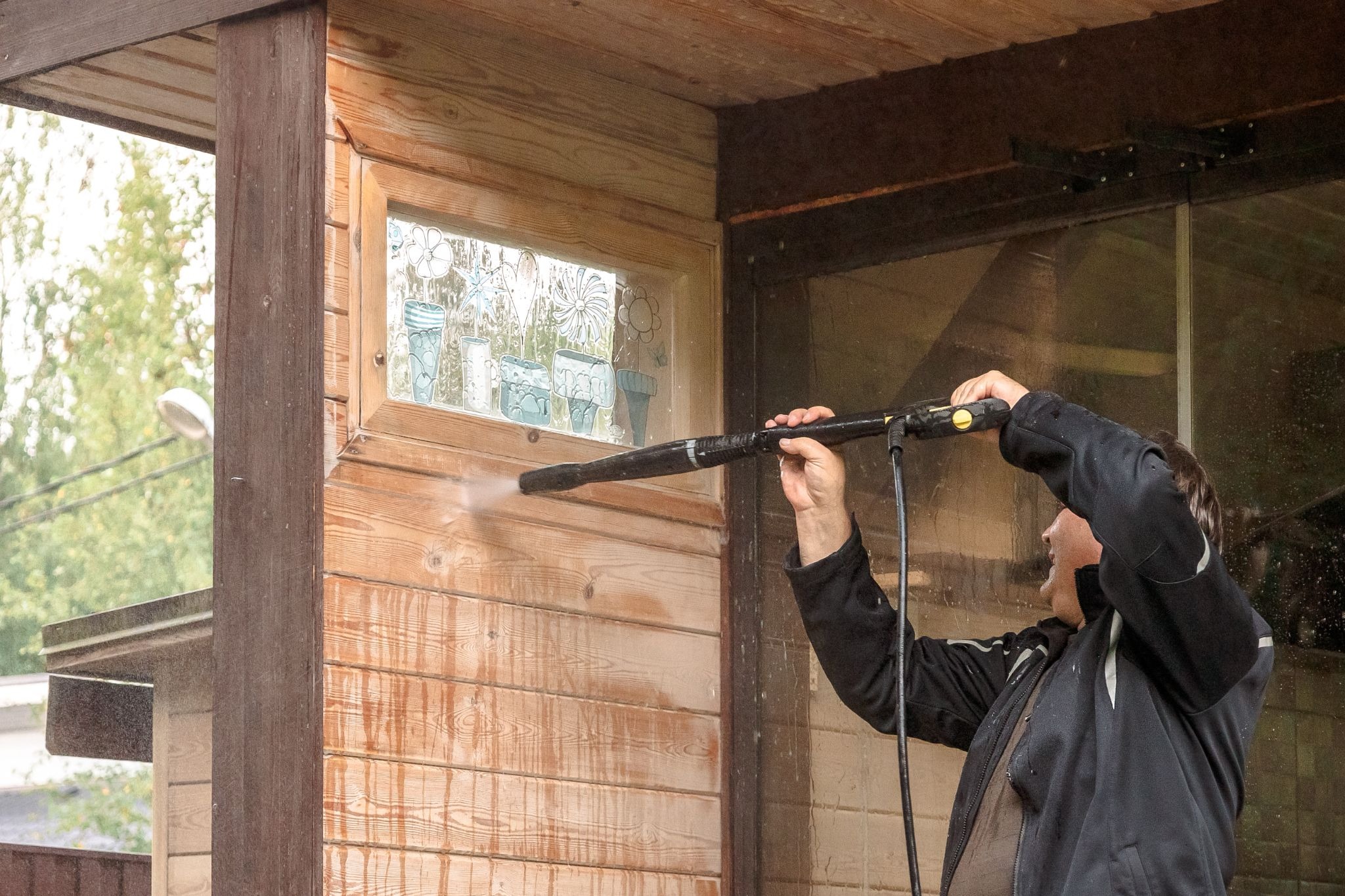
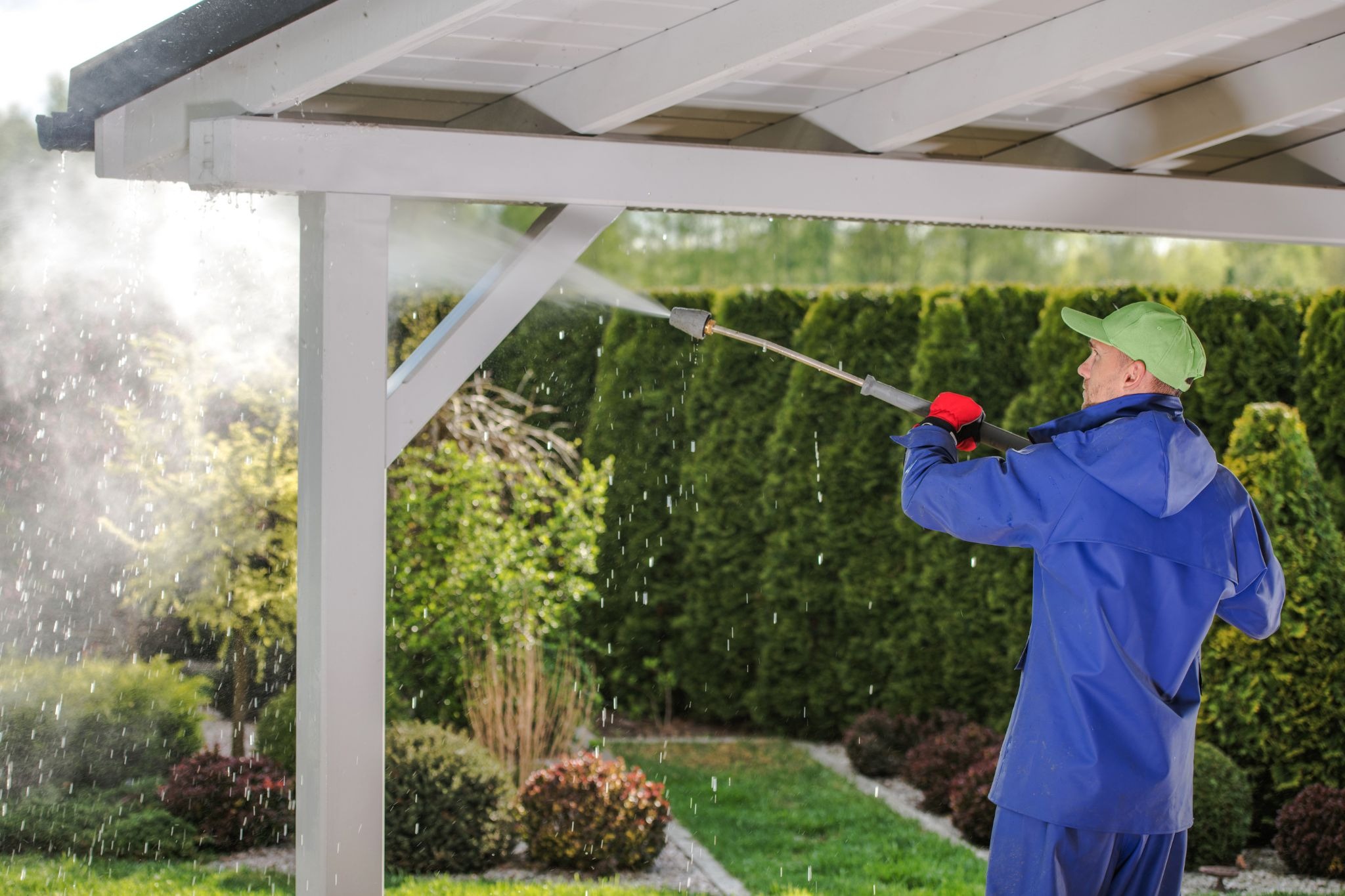
The high pressure washing is one of the most effective methods for removing stubborn dirt. This technique projects water at high pressure to remove pollution, moss and embedded deposits. To avoid damaging your upholstery, you must maintain a distance of 30 to 50 centimeters with a suitable nozzle and adjust the pressure according to the material.
The soft wash (soft wash) combines low pressure and biodegradable cleaning products. This method is perfect for fragile facades, old plasters or delicate plaster. It effectively eliminates moss, algae and lichens without attacking the support, while offering a lasting result thanks to the preventive treatments applied.
Cleaning with water and brush remains an option for superficial soiling. Use lukewarm water with soda crystals or neutral soap, scrub with a soft-bristled brush and then rinse thoroughly.
Chemical cleaning use anti-moss products or fungicides to treat organisms installed on your walls. These treatments require careful rinsing to protect the materials and the surrounding vegetation.
Mistakes you should definitely avoid
Bleach attacks coatings, discolors materials and compromises watertightness. It is harmful to the environment and kills plants.
The inexperienced pressure washer removes plaster, widens cracks or allows water to penetrate. The damage is more expensive than professional cleaning.
Applying the wrong method cause problems. Sandblasting is suitable for brick but would destroy old plaster. Vinegar attacks limestone.
Protect your plants, patio, and windows with tarps before you start.
What action to take depending on the situation
What to do now
For light soiling, start with gentle cleaning with water and a brush. Protect your plants and windows, test on a small, inconspicuous area, and work from top to bottom.
For heavily soiled facades with foam or stubborn stains, do call a professional. They have the appropriate equipment, know the best techniques for each material and can apply a protective treatment.
If you notice cracks, crumbling joints, or water leaks, consult a specialist as soon as possible. One professional diagnosis allows you to take action before the damage gets worse.
Prevent problems before they happen
Inspect your walls twice a year, after winter and autumn. Look for wet areas, dirt, or cracks.
Trim nearby trees to limit shade and humidity. Check that your gutters are working properly.
A water repellent treatment after cleaning protects against moisture. To be renewed every five to seven years.
A rinse once a year removes dust before it settles.
Maintain your facade in good condition for the long term
The facade wash protects your home against humidity, leaks and costly damage. By adapting the frequency and the method to your coating and environment, you maintain the value of your property.
Each material requires a specific approach. Regular maintenance and visual inspection allow you to act at the right time. A qualified professional can guide you in choosing the best approach and doing a safe job.
If you are unsure about the appropriate method or notice signs of deterioration, our team can help you understand your options.
Contact us for a personalized diagnosis in order to protect your investment.
FAQ

Complete refurbishment of pavers and joints
Deep cleaning, polymer sand removal, mechanical compaction and lasting stabilization.
Learn more about this service
Passionate about outdoor maintenance and attention to detail, she shares practical tips and effective methods for keeping your surfaces clean, durable, and well-maintained.
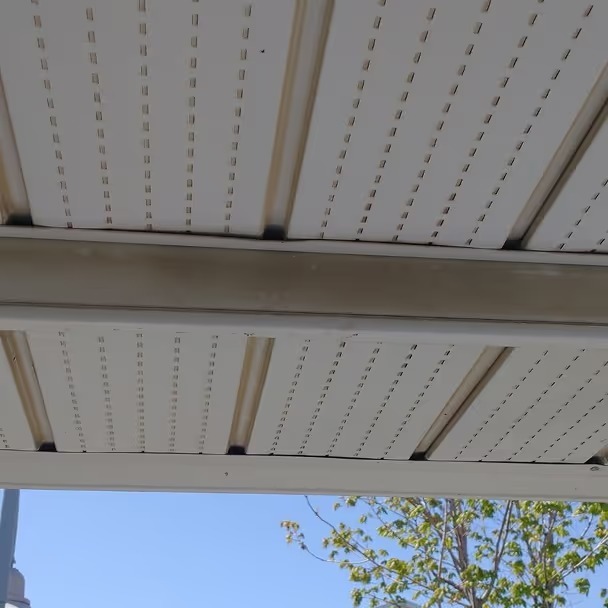
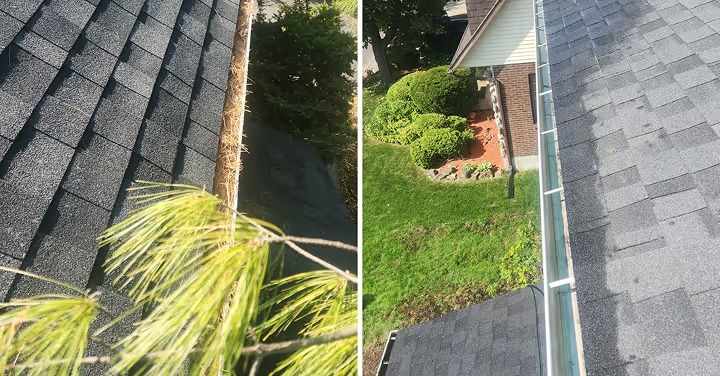
Are you seeing a similar situation?
Get a detailed evaluation adapted to the real configuration of your property.