Facade Stains: The Longer You Wait, The More It Costs
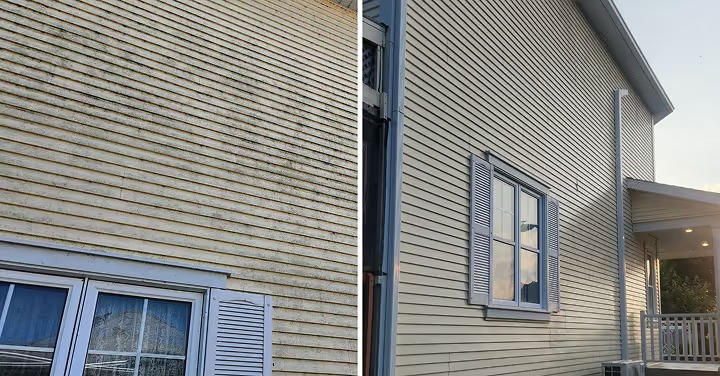
Do you notice dark spots, moss, or greenish marks on your home's exterior? You're not alone in wondering about their origin or what they mean for your building. This article explains what happens if the problem is ignored for too long, and when professional washing becomes the best solution.
Key Takeaways
- Ignoring a stained exterior for too long can allow moisture to seep in and deeply damage the siding
- Stains on an exterior often come from moisture, pollution, or organic buildup
- Certain signs, such as vertical streaks or efflorescence on brick, indicate a cause that needs to be corrected before cleaning
- The type of siding (vinyl, aluminum, brick, stone) determines the cleaning method to be used
- Professional cleaning is recommended when the area is extensive or when stains reappear after a DIY wash
The Cost of Waiting Too Long
Many homeowners put off washing their exterior thinking it's purely an aesthetic issue. That's not always the case. The longer an exterior remains dirty or damp, the more time moisture has to seep into the siding rather than just staying on the surface. What starts as an unsightly stain can, over time, promote material degradation, damage the air barrier or insulation behind the cladding, and turn a simple cleaning into much more costly structural repairs.
Delayed maintenance therefore doesn't just affect aesthetics; it can also impact the building's durability and, in some cases, indoor air quality if moisture eventually infiltrates. The sooner the problem is addressed, the simpler and more affordable the solution remains.
Why Do Stains Appear on a Facade
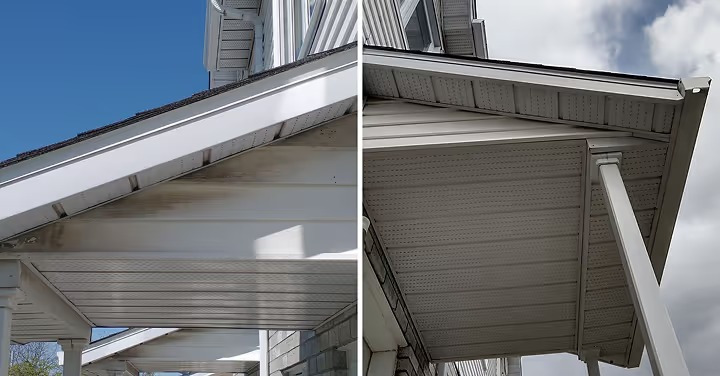
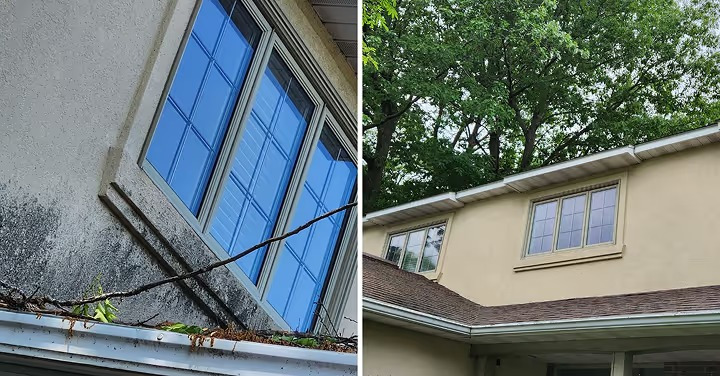
A facade exposed to the elements naturally accumulates dust, atmospheric residues, and moisture. This combination eventually promotes the appearance of algae, moss, or lichen, especially on north-facing surfaces or those shaded for a good part of the day. Urban pollution and water runoff add their own vertical streaks, often visible under cornices, around windows, and near downspouts.
Stagnant moisture plays a central role in this phenomenon. The Québec Building Board also includes stains, efflorescence, and water infiltration among the signs of deterioration to monitor on a facade, and requires a professional inspection every 5 years for buildings of 5 stories or more. The same principle of vigilance applies to single-family homes: the longer a facade remains wet after rain or snowmelt, the more likely stains and organic growth are to appear, especially in areas with little sun exposure.
Brick claddings can also develop efflorescence; these whitish deposits result from mineral salts rising through the material. The structure is generally not at fault, but the building's appearance visibly suffers, and the problem can worsen from season to season if moisture behind the cladding remains uncontrolled.
What Signs Indicate a More Serious Problem
Not all stains are equal, some signs deserve attention even before considering cleaning:
- Persistent vertical streaks that quickly reappear after washing
- Moss or lichen concentrated in the same areas every season
- Black marks that spread rather than remaining stable
- Discoloration accompanied by a musty smell
- Deposits that appear near joints, windows, or the bottom of the facade
In most cases, these signs indicate a recurring moisture source that needs to be identified before cleaning. Without this step, stains often return in just a few weeks.
Which materials are most at risk
Vinyl and aluminum primarily dull due to atmospheric deposits and pollution, without necessarily retaining deep moisture. These materials generally respond well to a gentle wash. Brick and stone, being more porous, absorb more water, which makes them more prone to efflorescence and organic growth and requires a more measured approach. Acrylic coatings, however, require special attention : overly aggressive cleaning can damage their finish and worsen tarnishing rather than correcting it.
Understanding the material involved helps to choose the best approach, whether it's controlled pressure washing or a gentler method like soft washing, suitable for more delicate surfaces.
When professional cleaning becomes necessary
What to do now
If the stains are light and localized, a gentle cleaning with water and a soft brush may suffice for now. Marks that reappear quickly or cover a large area require more than simple monitoring. An assessment then allows for identifying the exact cause and the most suitable method for the siding, rather than repeating a cleaning that doesn't address the root cause and unnecessarily wears down the surface.
How to prevent stains from returning
Regular maintenance remains the best way to limit dirt accumulation. Trimming vegetation near the facade, regularly cleaning gutters, and monitoring water flow around the building significantly reduce risks. A preventative cleaning once a year also helps identify sensitive areas before they worsen.
A facade that stays beautiful with proper maintenance
Stains on a facade are rarely a sign of a serious problem, but they deserve to be understood before taking action. By identifying the cause and adapting the method to the material, it's possible to restore a facade's uniform and durable appearance, without compromising its integrity or rushing into unnecessary intervention.
Need help assessing your situation?
If you're unsure about the cause of the stains on your facade, or the best method to use, our team can help you assess the situation and determine the next steps best suited for your siding.
Contact us for an assessment or a wash.
FAQ

Complete refurbishment of pavers and joints
Deep cleaning, polymer sand removal, mechanical compaction and lasting stabilization.
Learn more about this service
Passionate about outdoor maintenance and attention to detail, she shares practical tips and effective methods for keeping your surfaces clean, durable, and well-maintained.
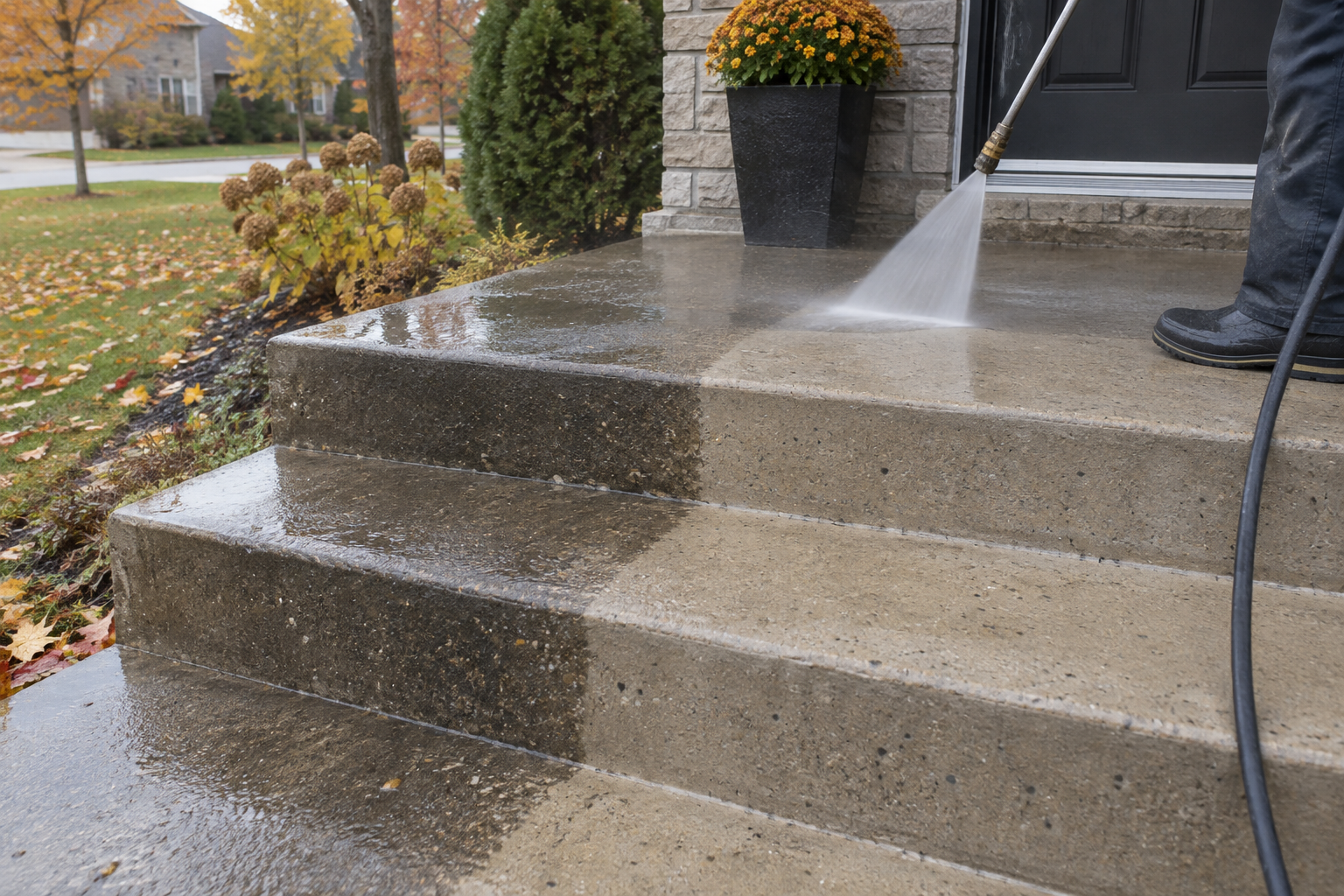
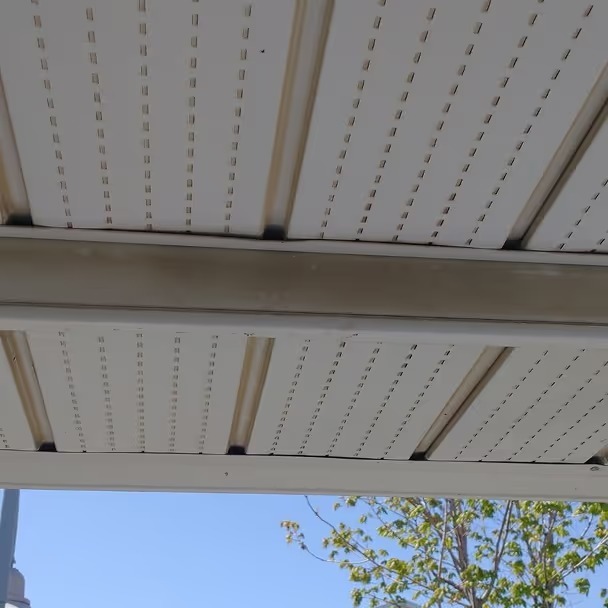
Are you seeing a similar situation?
Get a detailed evaluation adapted to the real configuration of your property.