Pressure washing pool areas: a guide for summer 2026

- It's normal That the surfaces around the pool accumulate algae, limestone and residues after winter
- The perfect moment : April to May, before the pool opens
- Who should take action : homeowners with concrete, paving stone, treated or composite wood
- An annual cleaning prevents degradation and slipping accidents
Summer is approaching faster than you think, and your pool area has likely accumulated dirt, stains, and mold since last fall. Pressure cleaning vocational restores your terrace to its original appearance while making it safer for your children.
This article explains why pressure washing is the Better option for preparing your pool area, when to do it, and how to avoid common mistakes. You don't need to be an expert to understand the essential steps.
Why pressure washing is essential for your pool area
The area around your pool is subject to difficult conditions: chlorine, constant splashes, intense UV and winter frost. These elements create a perfect breeding ground for green algae, black mold, and lime build-up.
A pressure wash vocational removes these contaminants in depth without damaging your surfaces. Unlike a garden hose, controlled pressure cleans up to the pores of the material.
Concrete benefits for your family
- Non-slip surface found (less risk of falling for children)
- Fresh appearance that enhances your backyard
- Extended lifespan of your materials (concrete, paving stone, composite)
- Elimination of allergens and molds that affect air quality
According to the Régie du Bâtiment du Québec, the preventive maintenance of exterior surfaces is crucial to maintaining the compliance and safety of residential installations.
Surfaces around your pool that need cleaning
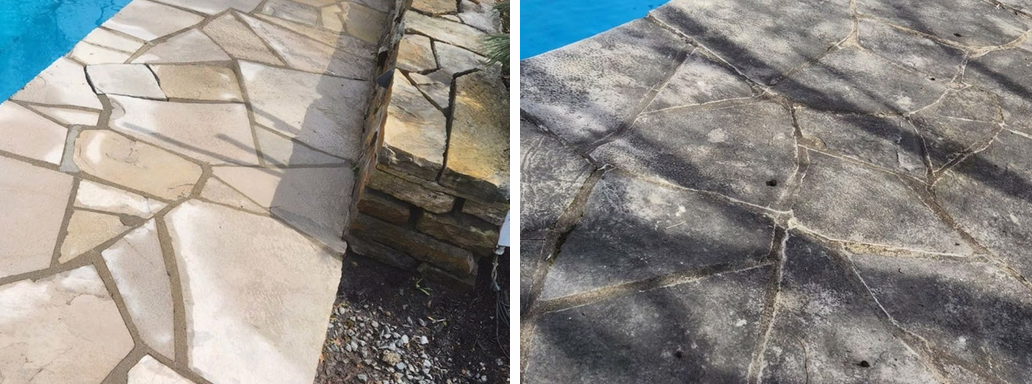
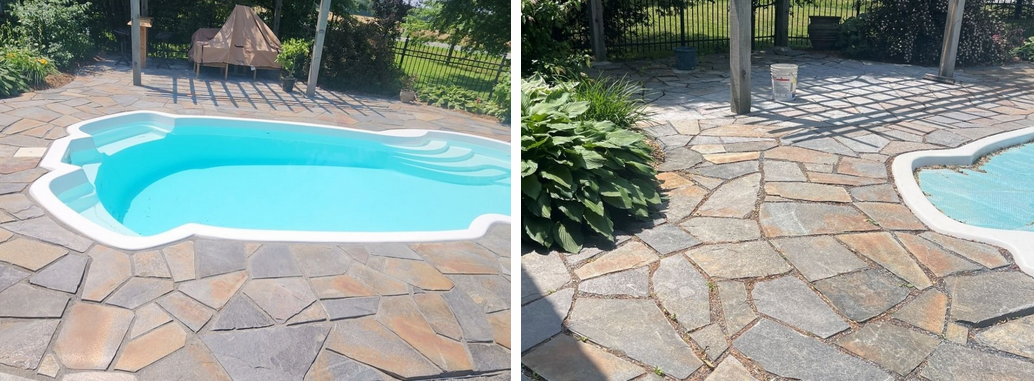
Concrete and paving stone
The tastier Choices for pressure washing. These surfaces absorb moisture and quickly develop algae in the joints. A pressure of 2000 to 3000 PSI is ideal. The majority of pool areas in Quebec use these materials for their resistance to freeze-thaw.
Treated and composite wood
Requires a gentler technique (1200 to 1500 PSI maximum). Wood can crack under too much pressure, and the composite may lose its protective color. A professional adjusts the angle and distance to clean without damaging.
Natural stone
Requires a personalized approach depending on the type (slate, granite, limestone). Some porous stones require a sealer after cleaning.
When to schedule pressure washing around your area
Important : In Quebec, outdoor pressure washing must be done when night temperatures remain above 5°C to prevent residual water from freezing in the pores of the materials.

Signs it's time to get your perimeter cleaned
Act quickly if you observe:
- Green or black spots that don't go away with a broom
- Slippery surface even when it feels dry
- Blackened or weed-infested paver joints
- Significant discoloration of concrete or composite
- Musty smell by the pool
Sufficient monitoring if:
- Slight dust accumulation only
- No change in texture or color
- Last cleaned less than 12 months ago
According to the Régie du Bâtiment du Québec, the preventive maintenance of exterior surfaces is crucial to maintaining the safety of residential installations.
Common mistakes to avoid
Rent a washer and do it yourself without experience
Improperly calibrated pressure can create permanent grooves in concrete, pull sand from paver joints, or split wood. Repairs often cost more than the initial professional cleaning.
Use chemicals that are too aggressive
Concentrated bleach and some commercial cleaners damage the protective sealant and accelerate degradation. Professionals use biodegradable detergents adapted to each surface.
Wait until the day before the pool opens
Cleaning companies are saturated in May-June. You may have to wait several weeks or pay an emergency supplement. Plan now February-March to guarantee your place.
What professional service includes
A thorough cleaning of the pool area starts with a preliminary inspection to identify the type of surface and identify problem areas. The professional then applies a pretreatment with an ecological detergent to the stubborn stains before proceeding with the pressure washing adjusted to the material.
The pressure used varies between 2000 and 3000 PSI for concrete and pavement, while a gentler technique of 1200 to 1500 PSI is used for wood. A final rinse removes all cleaner residues, and The professional ends with recommendations on sealant, repairs, or future maintenance to be expected.
The duration varies depending on the area, but generally allow 2 to 4 hours for a standard 20′ x 40′ perimeter. Companies with an appropriate RBQ license guarantee civil liability in case of accidental damage.
How to prolong cleanliness after cleaning
Weekly maintenance during the season
- Sweep leaves and debris before they stain
- Rinse chlorine splashes with a hose
- Check and clean the paver joints
Long-term protection
- Apply a sealer after pressure washing (concrete and paver)
- Cut vegetation that creates permanent shade (promotes mold)
- Ensure good drainage to avoid stagnant puddles
A well-maintained area can stay clean for 12 to 18 months with these simple habits.
Get ready for your summer now
Pressure washing your pool area isn't just about looks. It's an investment in the safety of your family, the sustainability of your facilities, and the value of your property. By planning now, you avoid the rush of May and make the most of your Quebec summer.
Do you need help preparing your pool area?
Our team at Nettoyage Danfour knows the specific challenges of the Quebec climate and the particularities of each type of surface. We help you determine the right time and the Better approach for your situation.
Contact us for a free evaluation and get your summer off to a good start.
FAQ

Complete refurbishment of pavers and joints
Deep cleaning, polymer sand removal, mechanical compaction and lasting stabilization.
Learn more about this service
Passionate about outdoor maintenance and attention to detail, she shares practical tips and effective methods for keeping your surfaces clean, durable, and well-maintained.
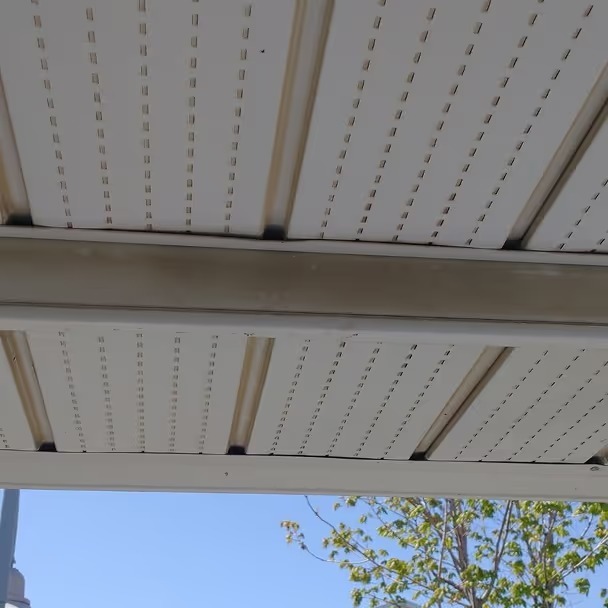
Are you seeing a similar situation?
Get a detailed evaluation adapted to the real configuration of your property.