Mechanical compaction of polymer sand
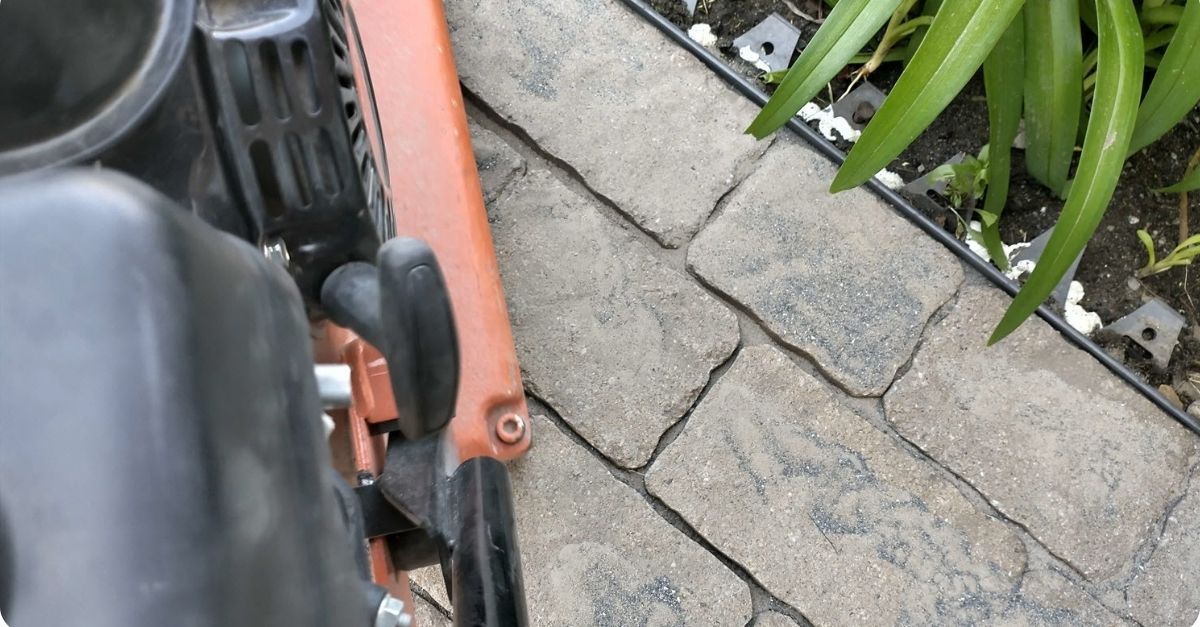
- Mechanical compaction ensures the stability and tightness of the joints Of paving stone
- One vibrating plate Is the best tool for effectively compacting polymer sand
- Sweeping before compaction and watering after are critical steps
- Polymer sand poorly compacted leads to pavement subsidence and the proliferation of weeds
- One experienced professional recognizes optimal density without overcompacting
Have you just had a paving stone installed or are you planning paving work? Polymer sand is probably the element that will ensure the longevity of your surface. Poorly compacted, it loses all its properties.
This article explains why mechanical compaction is essential, how it should be done, and what are the signs of a poorly done job. You will quickly understand what distinguishes a sustainable installation from paving that collapses after a few seasons.
What is the mechanical compaction of polymer sand
Mechanical compaction consists in pressing and densifying the Polymer Sand Between the Joints paving stones using vibrating equipment. Unlike simple scanning, this step Force the Grains of Sand to Come Closer, Eliminate air spaces and create a compact mass that is resistant to erosion.
Polymer sand contains additives that form a hard bond between grains once Activated by Water. This bond only works if the sand is first well compacted. Without compaction, sand remains loose, water does not penetrate evenly, and additives cannot bond properly.
Compacting mechanically transforms a joint filled with sand into A solid joint, stable and waterproof.
Why Mechanical Compaction is Essential
Mechanical Compaction Guarantees Three Concrete Results. First of all, she Stabilizes Paving Stones. Well-compacted joints prevent pavers from moving sideways or from collapsing under the weight of a pedestrian or vehicular crossing.
Elle Then Blocks the Infiltration of Water and Debris. Compact Joints offers no space for weed seeds to settle or for water to seep in and erode the foundation. According to the Régie du Bâtiment du Québec, a compliant paving stone installation requires adequate compaction to prevent premature failures.
It also maximizes the life of your surface. A well-compacted paving stone can last several decades without requiring major repairs. La Canada Mortgage and Housing Corporation That the quality of installation and compaction directly influences the Long term performance paved surfaces.
How to achieve effective mechanical compaction
The best method is using A vibrating plate. This tool generates rapid vibrations that cause the sand to move down between the joints. While Eliminating Air Pockets. Start by sweeping polymer sand into all joints until they are flush filled.
Then pass the vibrating plate by making several cross passes. The objective: Cover the Entire Surface Evenly. After compaction, sweep again to fill in the joints that have collapsed, then iron the vibrating plate.
This Sweep-compaction alternation Can be repeated two or three times depending on the texture of the paver and the width of the joints. Once satisfied, proceed with the activation by lightly sprinkling the entire surface to trigger polymerization.
Common Mistakes to Avoid
Several errors compromise the quality of compaction. The first: Use a vibrating plate that is too heavy or too aggressive, which can break pavers or create marks on the surface. The equipment must be adapted to the type of pavement.
Neglecting intermediate scanning This is the second error. If you don't sweep again after the first compaction, the joints remain partially empty and the surface quickly subsides.
Water Before Compacting Represents the third error. Water immediately activates the polymers, which prevents the sand from moving properly. The result: joints that are frozen but poorly compacted.
Overcompact Harms as well as subcompact. Too many passes with a vibrating plate can crush additives and reduce their effectiveness.
When to Call in a Professional
If your pavement surface exceeds 100 square meters, renting and handling a vibrating plate Can be complex. A professional has the appropriate equipment and knows the pressure to be applied depending on the type of pavement.
Do Call for an expert If you notice repeated subsidence, stagnant water between the joints, or a rapid proliferation of weeds. These signs Often indicate poor initial compaction that requires repair.
For the Commercial Projects or High-Traffic Surfaces, the precision of compaction becomes critical. An experienced contractor will save you from costly repairs in the short term.
Best Practices for Maintaining Your Joints
After compaction and activation, avoid Walking on the Surface Too Quickly. A delay allows the polymers to harden completely and reach their optimum strength.
Clean your paver regularly To avoid the accumulation of organic debris that retains moisture and promotes the degradation of polymer sand. A monthly sweep and an annual wash are sufficient for most residential installations.
If you need to replace a paver, Carefully remove the adjacent polymer sand, repair, then rescan and recompact locally. Never leave an empty joint exposed for more than a few days.
What to remember
The mechanical compaction of polymer sand determines the strength and longevity of your paving stone. With the right technique, the right tools, and a bit of rigor, you get a stable surface that's resistant to weather, traffic, and the passage of time.
The initial investment in quality compaction saves you from costly repairs and guarantees a flawless surface for years.
Need help with your paving stone project?
If you have doubts about the quality of your compaction or if you are planning paving work, Our team Can accompany you. We assess the condition of your joints, recommend the necessary corrections and perform a professional compaction adapted to your type of paver.
Contact us for personalized advice.

Complete refurbishment of pavers and joints
Deep cleaning, polymer sand removal, mechanical compaction and lasting stabilization.
Learn more about this service
Passionate about outdoor maintenance and attention to detail, she shares practical tips and effective methods for keeping your surfaces clean, durable, and well-maintained.
Are you seeing a similar situation?
Get a detailed evaluation adapted to the real configuration of your property.